
In a personal injury case, the most important thing is getting the full compensation that you’re owed for all your losses and damages. Unfortunately, this isn’t a given, and studies show that those who try to bring a personal injury claim without the help of an attorney usually come away with smaller settlements than those who do have an attorney, even after the attorney’s fees are factored in! A personal injury attorney in Round Rock, TX will be able to help you maximize your compensation in the following ways.
Investigating Carefully
Hopefully you were able to gather some evidence after your injury, but your attorney will be able to do a comprehensive investigation that can turn up even more. This is especially important if there’s any question about liability or if the other side is arguing that your injuries are not as bad as you claim or aren’t related to the injury. A solid case needs substantial evidence that demonstrates who’s at fault and exactly what happened, and your attorney will be able to get their hands on evidence that you might not be able to access, such as subpoenaed video footage or internal business records.

If you’ve been injured, you need to take immediate steps to protect yourself both physically and financially. Physically, getting medical help immediately and following through on all of the doctor’s orders is the best thing you can do. To protect your financial future, you need to search for Austin, TX, personal injury attorneys with experience in helping people in these situations. An attorney will be able to take over your personal injury case while you concentrate on healing.
Get Medical Help
If you look around online, you will find plenty of recommendations that you should gather evidence from the accident scene and talk to witnesses, and while this is sound advice in numerous instances, if you’ve been badly hurt, you should not delay getting the help you need to take some pictures. A lawyer can help you by doing an investigation; you just need to get to the hospital.Whatever medical advice you are given and whatever treatment is recommended, follow it to the letter. This means you should attend all follow-up appointments, take all medications prescribed to you, and do any kind of physical therapy that is recommended. If a doctor tells you to avoid certain activities for a time, be sure to avoid those activities until you are cleared.In a personal injury claim, you’ll need to be able to link your injuries to the accident. The faster you get medical help, the clearer that link between your injuries and the accident can be drawn. And if you follow up on all your medical care and follow doctor instructions carefully, then the other side and their insurance company cannot argue that you have been making your injuries worse by your own behavior.
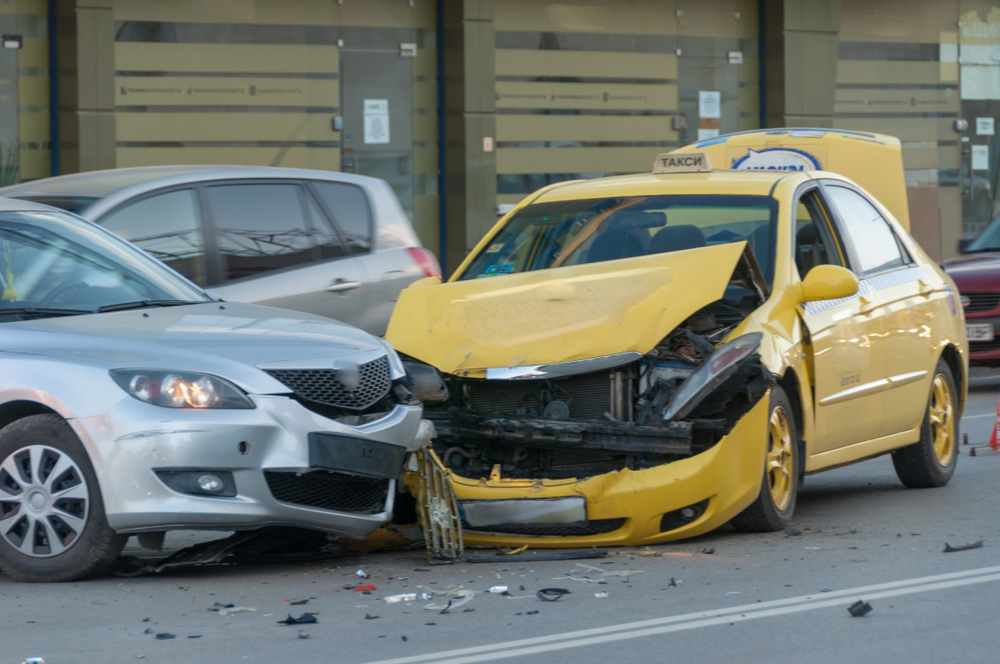

Some injuries remain hidden for hours or even days after a crash or fall. When pain finally appears, insurance adjusters may claim that you waited too long to seek care or that something other than the accident caused your condition. An experienced Austin personal injury attorney will explain how Texas law treats delayed symptoms and how you can protect both your health and your legal rights when pain surfaces later.
Read the rest of this entry »What to Do After a Car Accident on I-35 in Austin?

If you’ve driven through Austin, you know Interstate 35 is notorious for heavy traffic, frequent construction, and unfortunately, serious car accidents. When you’re involved in an accident on I-35, especially during peak hours near downtown or around major exits like Cesar Chavez Street or Martin Luther King Jr. Blvd, knowing exactly what steps to take next can significantly protect your rights, help you recieve max compensation and ultimitley streamline your recovery process .
Here’s a clear guide on what to do immediately after a car accident on I-35:
Read the rest of this entry »Beginning in the 20th century, the options for traveling both near and far drastically increased, moving from literal “horsepower” to motor vehicles and air travel in a single generation. These advances make travel accessible to people from all walks of life, from daily commuters on city buses to celebrities and politicians traveling to multiple states in a single day.
However, when it comes to choosing travel methods, many people have a skewed perception of which modes of travel are the safest. In the event of serious accidents, Austin personal injury lawyers often play a crucial role in helping Texas injury victims seek justice and compensation for injuries sustained while traveling. So what do the facts and statistics tell us about the safety of our modes of transportation? Here, we want to take a look into fatality and injury statistics of the least safe to the most safe means of transportation.
Key Findings
- Motorcycle travel is the least safe mode of transportation, with a fatality rate approximately 24 times higher than that of car accidents per million miles traveled.
- Car travel is risky and contributes significantly to daily fatalities and injuries. Car accidents result in an average of 102 fatalities per day and over five million injuries annually.
- Private, recreational boating is significantly more dangerous than passenger boating. Private, recreational boating accidents account for 90% of boating travel fatalities, with passenger boats approximately making up the other 10%.
- Rail crossings carry the biggest train safety risk. The vast majority of train injuries and fatalities occur at crossings. In 2023, 25% of the total 954 deaths occurred at rail crossings.
- Bus transportation carries less risk. Bus Accidents (school buses, charter buses, city buses, or airport shuttles) comprise less than 10% of annual traffic fatalities in the United States.
- Airplane travel is the safest form of transportation, with an average annual injury rate of just 0.01 injuries per 100 million passenger miles traveled.
Table Of Contents
- What is The Safest Mode of Transportation?
- Airplane Safety
- What is The Most Dangerous Mode of Transportation?
- Motorcycle Safety
- Motorized Transportation Safety Overview
- Texas Transportation Safety Overview
- Car Safety
- Boat Safety
- Train Safety
- Bus Safety
What is The Safest Mode of Transportation?
Logic would say that flying in a metal cabin at an altitude of as high as 42,000 feet at speeds of around 500 MPH is extremely dangerous. However, it turns out that commercial air travel is statistically the safest travel choice on Earth—or above the Earth.
Airplane Safety
- Incredibly, the average annual injury rate for air travel is .01 injuries per 100 million passenger miles traveled, compared with 48 injuries for the same distance traveled in cars and trucks.
- Furthermore, there have been zero deaths per 100 million passenger air travel miles each year from 2002 to 2020.
- The average annual fatality rate over that time was .01 deaths per 100 million miles traveled. Airline researchers also note that based on 2022 flight fatality data, a person would have to fly every day for 25,214 years to experience a fatal accident.
So while flying may seem like the most daunting method of transportation, in reality, the likelihood of experiencing a serious injury or death is miniscule in comparison to the other forms of transportation available.
Knowing the statistics for the most popular modes of travel can help travelers make wise choices no matter their destination. Nevertheless, whether you are driving, riding, or flying, always be sure to take the necessary safety precautions to protect yourself and your loved ones.
What is The Most Dangerous Mode of Transportation?
Considering that motorcycles are the mode of transportation that leaves the rider the most vulnerable, it’s no surprise that they have the highest accident death rate.
Motorcycle Safety
For example, there were 6,222 fatal motorcycle crashes in 2022, which was the highest on record and a 23% increase since 2019.
Furthermore, for every million miles of motorcycle miles traveled there’s an alarming 213 deaths, which is around about 24x the car accident fatality rate. And even though motorcycles make up just 3% of all registered vehicles, they make up a staggering 5% of highway-related fatalities.

Leading Causes Of Motorcycle Accidents
- Driving under the influence
- According to NHTSA, almost 30% of bikers involved in fatal motorcycle accidents have blood-alcohol concentrations over the legal limit.
- Speeding
- In 2107, it was reported that approximately 31% of motorcycle riders who were involved in fatal crashes were speeding.
- Distracted drivers
- As mentioned by our motorcycle accident lawyers in Austin, distracted driving is one of the leading causes of vehicle accidents in the United States, with many of these accidents proving to be fatal to motorcyclists.
Motorized Transportation Safety Overview
While our modern forms of transportation have revolutionized our society for the better, the increase in convenience and comfort does come at a cost. Because all modes of motorized transportation require high speeds and are operated by humans with the help of technology, unfortunately, accidents are not an uncommon occurrence.
Motorized transportation accounts for one-in-seven preventable injury-related deaths.
Texas Transportation Safety Overview
According to Annual Texas motor vehicle crash statistics collected by the Texas Department of Transportation:
- Texas experiences an exceptionally high volume of road travel. The annual vehicle miles traveled in Texas during 2023 reached 294.785 billion.
- Texas experienced a decrease in the number of motor vehicle traffic fatalities. The Fatality Rate on Texas roadways was 1.45 deaths per hundred million vehicle miles traveled, a decrease of 2.81% from the previous year.
- Helmet use plays a significant role in improving Texas motorcycle safety. There were 599 motorcycle operators and passengers killed in 2023. Forty percent (40%) of motorcyclists killed were not wearing helmets at the time of the crash.
- Buses are a significantly safer mode of transportation in Texas. 2023 Texas crash data reported just 18 fatal injury crashes involving buses, compared to 1,943 fatal passenger vehicle accidents and 610 fatal motorcycle accidents.
Car Safety

Cars are by far the most widely used means of travel, with most Americans taking at least one car ride every day. Nevertheless, because of the sheer number of cars and drivers on the road, the statistics surrounding car accident-related accidents, deaths, and injuries are substantial. Some of the most shocking car accident data shows:
- Six million car accidents occur in the U.S. each year
- An average of 102 fatalities a day
- One driver fatality occurs every 114 accidents
- One passenger fatality every 654 accidents
- Over five million car accident injuries occur each year
- 42,514 deaths from motor vehicle crashes in the United States in 2022
- 53% of motor vehicle crash deaths in 2022 occurred in single-vehicle crashes
There’s no denying that cars are one of the leading causes of death and injury in the United States. However, when comparing the number of car accidents per year to the number of actual fatalities, it proves that vehicles may not be as deadly as assumed.
In 2022, there were 5,930,496 motor vehicle accidents reported to the police with 42,514 fatalities, meaning that less than 1% of total accidents were fatal.

Boat Safety
Historically, boat travel was fraught with danger, with shipwrecks, incidents of piracy, sickness, and worse all being a very real threat. Today, thankfully, traveling by boat is safer than ever. Passenger boats such as cruise ships, ferries, and other nautical forms of transportation make up only 10% of boating deaths, while private, recreational boating accidents account for the other 90%.

About 5,000 boating fatalities occur in the U.S. each year, or 6.5 deaths per 100,000 registered vessels. However, boating fatalities peaked during the COVID-19 pandemic in 2020 with an astonishing 25% increase over 2019. If you or a loved one was injured or killed in a boating accident, speak to the Austin boat accident attorneys today.
Train Safety
Trains have been a time-tested way to travel since the first passenger train left Darlington England with a load of 450 passengers in 1825. Ultimately, with the help of technology, train accidents have become particularly rare. However, any accident that does happen tends to make headline news, giving a false impression of train safety. In reality, trains are the third safest means of transportation with relatively low numbers in terms of injuries and fatalities.
467 people have died from train accidents in the US since 1975

Some other accident safety facts include:
- There is an average of 1,689 train derailments per year
- Between 1990 and 2022, 132 people died in train derailments – about 4 train derailment deaths per year.
- The vast majority of train injuries and fatalities occur at crossings.
- In 2023, of the total 995 deaths, 25% occurred at rail-crossings
Bus Safety
The U.S. Department of Transportation (DOT) safety standards, strict requirements for commercial bus driver’s licensing, and improvements in bus safety features combine to make bus travel the second-safest way to get to a destination.
Ultimately, all types of bus accidents (school buses, charter buses, city buses, airport shuttles, etc.) comprise less than 10% of annual traffic fatalities in the United States. This means that of all the automobiles on the road, buses are significantly safer than other forms of transportation. Ask an Austin bus accident lawyer for more information.

Bus Accident Safety Facts:
- There were 15,033 bus accidents in 2022 –219 were fatal
- Out of the 15,033 accidents – 7,119 resulted in an injury.
- In 2022, 1.5% of bus accidents resulted in a fatality.
- The top-5 states with the most bus accidents are:
- New York
- Florida
- Texas
- California
- Illinois
If you have been in any kind of transportation accident, reach out to the Austin accident attorneys at Shaw Cowart today to review your case.
How To Get A Motorcycle License In Texas
There’s nothing like exploring the open roads of Texas in the open air. A motorcycle ride or even a ride on a simple scooter is an exhilarating and eco-friendly option for transportation in Texas. But Texas considers two-wheeled or three-wheeled, motorized forms of transportation as vehicles that require regulation for operators. To legally ride a motorcycle or scooter in Texas, the state requires motorcyclists to have a Class-M license.
Whether you already have a driver’s license and need a motorcycle endorsement, or you have no Texas driver’s license and are seeking only a motorcycle license, you need to know what to expect and what’s expected of you when seeking a motorcycle license in Texas, including requirements for underage riders.
Speak to an Austin motorcycle accident attorney today if you have been involved in an accident and are seeking legal representation.
Applying for a Class-M License in Texas If You Are at Least 18 Years Old
Before an adult motorcyclist can legally ride the roadways in Texas, they must have a valid Class-M license or the addition of the Class-M endorsement to their existing Texas driver’s license. The first step is to complete a DPS-approved motorcycle safety course. After completing the course, they must take the certificate of completion with them to the driver’s license office. This certificate is only valid for 24 months from the date it was issued. If a motorcyclist waits too long to apply for their Class-M license after completing the course and the certificate expires, they must retake the class for a new certificate of completion.
A Motorcyclist with a valid Class-M license from another state doesn’t need to complete a Texas motorcycle safety course to obtain their Texas motorcycle license.
Besides a certificate of motorcycle course completion, adult applicants for a Texas motorcycle license must also have the following:
- Proof of identity and U.S citizenship
- A social security number
- Proof of valid motorcycle insurance coverage
- A motorcycle registration
Adults who do not have a driver’s license must also complete an Adult Driver’s Education course and bring a current certificate of completion. All applicants must pass a written test and a motorcycle street-riding test. This means on the day they apply, motorcyclists must bring a driver and a dependable motorcycle for the test. All applicants must pass a vision test and pay the license fee to obtain the Class-M license.
Under-Age Applicants for a Motorcycle License in Texas
Under-age motorcyclists must be at least 15 years old to legally obtain a license and operate a motorcycle in Texas. As with adult applicants, underage applicants between ages 15 and 18 must have proof of U.S. citizenship, a social security number, and proof of motorcycle registration and insurance as well as a certificate of completion for a motorcycle safety course. In addition, underage motorcyclists must have either a valid learner’s permit or proof of completion of the classroom portion of a driver’s education class (DE964). All applicants must pass a vision test and both a written motorcycle knowledge test and a motorcycle riding test on the street.
A parent must sign an authorization for an underage motorcyclist to obtain a Class-M license. Since an underage applicant for a Texas motorcycle license must bring a motorcycle and a driver, it’s often easiest for a parent to bring their child to apply for their motorcycle license so they can sign the authorization.
Class – J Learner License Restrictions For Under-18 Motorcyclists
You may practice riding while supervised by a licensed motorcycle operator who is at least 21 years old and remains within your sight. To remove the “J” restriction, you must complete the Motorcycle Safety Course and submit the certificate to the Texas Department of Public Safety. Minors under 18 years old must pass the motorcycle driving test to have the “J” restriction removed.
Class – I Learner License Restrictions For 15 Year Old Motorcyclists
This restriction applies exclusively to 15-year-olds with a Class M license, limiting them to riding motorcycles with an engine size of 250 cubic centimeters (cc) or smaller. Upon turning 16, you may apply to have the restriction lifted, which requires passing a motorcycle driving test.
How Long Do I Have to File a Motorcycle Accident Claim in Texas?
In Texas, there is a time limit for filing motorcycle accident lawsuits. While most claims are resolved through settlements, you may choose to file a lawsuit if the insurance company fails to offer a satisfactory settlement. To proceed with a lawsuit, you must file a petition within the state’s two-year statute of limitations for personal injury cases; otherwise, the court will not hear your case.
There are exceptions to this time limit. For example:
- If the accident victim is unconscious or incapacitated, they have two years from the date they regain cognitive ability to file.
- Minors have until two years after their 18th birthday to file a claim.
- In cases of delayed injury discovery, the statute of limitations may be extended to two years from the date the injury was reasonably discovered.
How Can Our Austin Motorcycle Accident Lawyers Help?
At Shaw Cowart LLP, you can rely on us to deliver expert legal support for your motorcycle accident injury case. We proudly serve clients throughout the Greater Austin metropolitan area including accidents that occurred in Austin, Cedar Park, Round Rock, and San Marcos. Here’s why we’re the right choice for your motorcycle accident claim:
- Comprehensive Claim Management: Motorcycle accident cases often involve unique legal and medical challenges, from proving liability to addressing severe injuries. With extensive experience, Shaw Cowart LLP has the knowledge and skills to effectively manage these complexities. If you’ve been injured in a motorcycle accident, our dedicated Round Rock motorcycle accident lawyers are ready to provide expert assistance and fight for the compensation you deserve.
- No Upfront Costs: At Shaw Cowart LLP, we work on a contingency fee basis, which means you only pay if we successfully resolve your case. Our Cedar Park motorcycle accident attorneys will thoroughly evaluate your motorcycle accident claim, examine the details of your case, and develop a strategy to secure fair compensation for your injuries and losses.
- Objective and Reliable Legal Counsel: Motorcycle accidents can be overwhelming, but our experienced motorcycle accident attorneys in San Marcos offer clear, unbiased guidance throughout the process. Shaw Cowart LLP is committed to helping you make informed decisions that prioritize your well-being and best interests every step of the way.
Contact Our Austin Motorcycle Accident Lawyers at Shaw Cowart LLP Today
The experienced motorcycle accident lawyers at Shaw Cowart LLP in Austin are ready to assist you. We are committed to helping you secure the compensation you deserve. Call us at 512-499-8900 today for your free case consultation or contact us here and we’ll help set up your appointment.
What If Your Accident Was Caused by Road Rage?

Aggressive driving and road rage incidents continue to rise in the United States, surging by an estimated 400% in the last decade. It’s difficult to accurately assess the number of car accident deaths caused by road rage because law enforcement does not categorize accidents in this way. However, 3,095 people were shot during road rage encounters between 2014-2023, indicating that this is an escalating problem with a growing number of road rage-related car accidents.
What Is Road Rage?
Traffic experts describe road rage as angry, aggressive driving behaviors and threats of violence triggered by one driver’s rage over a perceived wrong by another driver—such as being cut off in traffic. A report by DashCam reveals that 79% of drivers in the United States experienced aggression and rage while behind the wheel during the study period. Examples of road rage include:
- Speeding
- Running through red lights and stop signs
- Aggressively tailgating
- Passing another car in the emergency lane, along the shoulder of the road, or on the median
- Repeated horn honking
- Yelling, cursing, or making rude gestures to another driver
- “Brake-checking” or intentionally hitting the brakes abruptly in front of another vehicle
- Weaving through traffic
- Honking the horn and blinking lights at another driver
- Stalking or intentionally following another vehicle to intimidate the driver or to seek a confrontation
- Intentionally sideswiping or ramming another vehicle
A driver with road rage drives erratically by speeding, weaving, and cutting off others in traffic, presenting a danger to themselves and others.
What Types of Accidents Are Caused By Road Rage?
Angry, aggressive drivers pose a threat to others on the road. Not only do some road rage incidents result in physical confrontations and acts of violence, but they also cause a significant number of traffic accidents including the following types of accidents:
- Rear-end collisions
- Roadway departures
- Sideswipes
- Head-on collisions
- Rollover accidents
- T-bone collisions
- Ramming accidents
Drivers who cause an accident by driving aggressively or intentionally harassing another driver are liable for damages caused to Austin car crash victims.
Proving Liability In Road Rage Accidents
Like many states, Texas operates under a modified comparative negligence insurance system. This requires proving an at-fault party liable for an injury victim’s damages like property damage, medical expenses, lost wages, and compensation for pain and suffering. Proving liability requires showing compelling evidence of the following:
- That the at-fault party owed a duty of care to others on the road
- They breached this duty of care through negligent, reckless, and wrongful actions
- Their breach of duty directly caused the accident and injuries
- The injury victim experienced significant damages from the injuries
Under comparative negligence insurance laws, it’s not uncommon for both drivers in a two-car collision to share fault with a percentage of fault assigned to each driver; however, in road rage incidents the aggressive driver is often 100% at fault and liable for the victim’s damages as long as the other driver didn’t participate in the aggressive driving behaviors that led to the accident.
How to De-Escalate Road Rage Incidents Before an Accident
If you encounter an aggressive, angry driver on the roadway, it’s important to take preventative measures to de-escalate the situation and avoid an accident. Experts warn to avoid participating in negligent driving behaviors such as speeding up to chase the angry driver, horn-honking, or brake-checking. Instead, slow down to allow as much distance between your vehicle and theirs as possible. If you make eye contact, try mouthing the words, “I’m sorry,” even if you feel you committed no traffic infraction. It’s best to move over as much as safely possible to let an aggressive driver pass and then avoid following too closely.
If an aggressive driver exhibits road rage, lock your doors and roll up your windows. Call 911 if you are under immediate threat. Otherwise, note the make and model of the vehicle and the license plate number and report the aggressive driver to your local law enforcement department through a non-emergency number. If you are chased by a driver exhibiting road rage behaviors, drive to the nearest police department instead of driving home.
How Is Fault Determined In an Austin Car Accident?
In the traumatic aftermath of a car accident, your first priority is your physical health and safety. Injuries are painful and frightening. But after the shock dissipates and you’re faced with the prospect of medical treatment and a lengthy recovery period, anxiety surfaces about the financial aspects of a car accident in Austin. How do you recover compensation for damages like medical expenses and lost wages as well as the damage to your vehicle?
Under the Texas comparative negligence insurance laws, it matters who caused the accident. Determining fault for the accident is essential for a compensation claim.
How Does Comparitive Negligence Work In an Austin Car Accident Claim?
Texas is a fault-based insurance state that allows car accident victims to recover compensation from an at-fault driver’s insurance rather than their own policy—which they carry to cover their liability if they cause an accident with injuries to someone else. Texas §33.001. states:
“A claimant may not recover damages if his percentage of responsibility is greater than 50 percent.”
Even if you contributed to the cause of the accident, you can still recover compensation as long as you are less than 50% at fault; However, your percentage of fault for the accident is subtracted from your compensation. For example, suppose you are rear-ended by a distracted driver at a stop sign. It may seem clear that they are responsible for the accident. But what if their insurance company’s investigation reveals that one of your brake lights was out? They could determine that the missing brake light contributed to the accident and assign you 20% of the fault. If your car accident damages add up to $100,000, they only have to pay you $80,000.
What If I Disagree That I Contributed to the Accident?
An insurance company reviews the available evidence to determine each driver’s percentage of fault for an accident in Austin or elsewhere in Texas. Unfortunately, they have a significant incentive to find an injury victim partly at fault for the accident so they can reduce the amount they have to pay on their claim. The best way to counteract this tactic is to hire our experienced car accident lawyers in Austin to investigate all aspects of the accident by examining evidence such as the following:
- The police report
- Any photos or traffic camera/surveillance videos
- Eyewitness testimony
- Photos or medical images of the injuries
- The report of an accident reconstruction specialist
An Austin car accident lawyer protects their client’s rights and defends their best interests by compiling evidence of liability to make a compelling case to the insurance company for the maximum compensation available.
Meeting the Legal Standards for Liability After an Austin Car Accident
Proving fault for a car accident requires showing evidence of liability. This includes proving the following:
- The at-fault driver owed a duty of care to take all reasonable measures to avoid causing an accident
- They breached this duty through negligent or reckless action
- Their breach of duty caused the accident and injuries
- The injury victim suffered significant damages from the accident, like medical expenses, lost income, and pain and suffering.
In some cases, multiple entities could share liability. For instance, if a negligent road crew left debris on the road, but another driver swerved to avoid running over the debris and caused a collision with your vehicle. In this case, you could recover compensation from both responsible parties.
If you or someone you know has sustained serious injuries in a car accident, our Austin personal injury attorneys can help you file a claim. Contact us today.
Will My Car Accident Case Go to Court?
Car accidents are painful, traumatic, and terrifying. Unfortunately, the distress doesn’t quickly dissipate even after a car accident victim begins healing from their injuries. Car accidents involving serious or catastrophic injuries can take many months or even years to resolve. In fault-based car accident insurance states like Texas, recovering compensation after an accident requires an in-depth investigation, documenting evidence of negligence and liability, meeting meticulous filing dates, carefully calculating damages like medical expenses and lost wages, and making a compelling claim for the maximum compensation available. Sadly, insurance companies are private businesses that prioritize their profits at the expense of injury victims, making recovering the full value of a claim an arduous process. But does that mean that your car accident case will end up in court?
Recovering Common Damages in a Car Accident Claim in Texas
Car accidents cause consequences to the victims that often go far beyond property damage to a vehicle. These consequences are the “damages” in a car accident claim. Many accidents have life-altering impacts, either temporarily or permanently. Tragically, some end in the wrongful death of a loved one. Common damages recovered in successful car accident claims include:
- Vehicle repair or replacement
- Medical expenses
- Future medical expenses for ongoing care related to the injury
- Reimbursement for lost wages
- Future income loss and/or diminished future earning capacity
- Compensation for pain and suffering
Non-economic damages like pain and suffering are intangible and difficult to quantify with a monetary amount but they are usually the most distressing aspect of injuries. In some cases, additional non-economic damages also apply like loss of enjoyment of life, disfigurement, or loss of limb.
If a loved one dies in a car accident in Texas, close family members can recover compensation through a wrongful death claim with the help of a wrongful death lawyer in Austin.
How Are Most Car Accident Claims in Texas Resolved?
A car accident case requires an investigation into the cause of the accident. Insurance companies hire adjusters to investigate accidents with the motive of protecting profits. An attorney for an injury victim performs a diligent investigation by examining evidence, the police report, and eyewitness testimony. They also consult with medical experts and examine a victim’s injury report to make a compelling case about the impacts of the injury on the victim’s personal and professional life. Once they’ve made a strong case, they present it in a demand package to the insurance company of the at-fault party. The insurance company reviews the demand package and the evidence their insurance adjuster submits on the case, and a series of negotiations typically begins.
An injury victim’s attorney will strongly advocate for their client’s compensation and seek the maximum amount available for their client throughout negotiations, sometimes requiring mediation sessions between all parties. Most car accident claims end with a settlement once all parties agree on an amount to cover the victim’s damages.
When Do Car Accident Cases Go to Court?
An estimated 95% of car accident cases end with an out-of-court settlement so the injury victims never have to step foot in a courtroom. In a minority of cases, the insurance company continues to dispute aspects of the claim, delay action, seriously undervalue the settlement amount, or wrongfully deny the claim altogether. In these cases, the injury victim and their attorney may choose to pursue legal action in court. In Texas, the statute of limitations for car accident lawsuits is two years from the date of the accident. Except under specific exceptions, the lawsuit petition must be filed within this two-year time limit to go to court.
Jury trials in car accident cases take longer to resolve than settlements, but juries are often sympathetic to injury victims. A court case for a car accident claim may end with a larger award for damages than the victim would recover in a settlement. Speak to a car accident attorney in Austin from Shaw Cowart to discuss your case and receive the settlement you deserve.
Every traveler has to face that moment of decision when signing a rental car agreement. “Should I pay the extra fee for additional accident insurance or save the money? How likely is it that I’ll have an accident?”
No one ever expects to have a car accident, but you may face an elevated risk of an accident while driving a rental car in Texas or elsewhere. The increased accident risk for rental car drivers occurs because you are driving an unfamiliar vehicle, and often in an unfamiliar area with traffic laws that may differ from the ones at home.
So what happens if you have an accident in a rental car?
What to Do Immediately After the Rental Car Accident in Austin
After the trauma of an accident, the fact that you’re in a rental probably doesn’t cross your mind. It’s imperative to first call 911 to report the accident and give reasonable aid and comfort to any injury victims. You may be seriously injured yourself and unable to do anything but wait in place for help; however, if you can use your phone, you can take steps to protect your right to compensation as well as your physical safety. After calling 911, use your phone from your position or hand it to an uninjured companion and do the following:
- Take photos of the damaged rental car and any other involved vehicles
- Take photos of the accident scene and anything that contributed to the crash like a signal light or intersection
- Take photos of any visible injuries
- Add the contact information of the involved drivers and any eyewitnesses at the scene
As mentioned by our Austin accident lawyers, eyewitnesses become especially important in a car accident claim if the accident occurs in a location with no traffic cameras or nearby surveillance cameras. In fault-based insurance states like Texas, it’s necessary to have proof of fault and liability to collect compensation after a car accident.
How Does a Rental Car’s Status Impact Your Accident Claim?
After an accident, you should always go straight to a hospital for a thorough evaluation. Once you are able, it’s important to report the accident to the rental car company and your own car insurance company. Examine the details of your rental car agreement. Your options for recovering compensation after an Austin rental car accident could be any of the following, depending on the circumstances:
- If you were at fault or partly at fault for the accident and you chose the additional rental car coverage, it should cover the costs of the damage to the car, medical expenses, and lost wages
- If you purchased the collision cost waiver, the rental company releases you from liability for damage to the rental car
- If you purchased the supplemental liability insurance, it covers damages to others in the accident if you were at fault, or your portion of the damages if you were partly at fault
- The credit card you used to rent the car may include coverage for rental car damage
- Your personal auto insurance may cover damages to others through your liability coverage or it may have exclusions for rental car accidents, depending on the terms of your policy
- If the other driver was completely at fault for the accident, their insurance must pay for your damages, including property damage to the rental car, your medical expenses, lost wages, and compensation for pain and suffering
Navigating a car accident claim after a rental car accident in Austin can be challenging due to the multiple insurance options. Often, insurance companies dispute rental car claims and point the finger at other policies. The best way forward is to hire an injury lawyer in Austin to examine all available options for your recovery and determine the best path forward to maximize your compensation.
Connect with us


- January 2026
- December 2025
- November 2025
- October 2025
- September 2025
- August 2025
- July 2025
- June 2025
- May 2025
- February 2025
- January 2025
- November 2024
- September 2024
- August 2024
- July 2024
- June 2024
- May 2024
- April 2024
- March 2024
- February 2024
- January 2024
- November 2023
- October 2023
- March 2023
- January 2023
- December 2022
- November 2022
- October 2022
- September 2022
- August 2022
- July 2022
- June 2022
- May 2022
- April 2022
- March 2022
- February 2022
- January 2022
- December 2021
- November 2021
- October 2021
- September 2021
- August 2021
- July 2021
- June 2021
- April 2021
- March 2021
- February 2021
- January 2021
- November 2020
- October 2020
- August 2020
- June 2020
- May 2020
- April 2020
- March 2020
- February 2020
- December 2019
- October 2019
- September 2019
- July 2019
- June 2019
- May 2019
- April 2019
- March 2019
- January 2019
- December 2018
- October 2018
- July 2018
- June 2018
- May 2018
- April 2018
- March 2018
- February 2018
- January 2018
- December 2017
- November 2017
- October 2017
- June 2017
- April 2017
- March 2017
- February 2017
- January 2017
- December 2016
- November 2016
- October 2016
- September 2016
- August 2016
- July 2016
- June 2016
- April 2016
- February 2016
- January 2016
- July 2015
- March 2015
- February 2015
- November 2014
- August 2014
- July 2014
- May 2014
- January 2014
- December 2013
- November 2013
- October 2013
- September 2013
- August 2013
- July 2013
- June 2013
- May 2013
- April 2013
- March 2013
- February 2013
- January 2013
- December 2012
- November 2012
- October 2012
- September 2012
Archives
- Bad Faith
- Blog
- Boating Accident
- Breach of Contract
- Business Interruption Insurance
- Business Litigation
- Car Accidents
- Catastrophic Personal Injury
- Construction Accidents
- Defective Devices
- Defective Drugs
- Defective Products
- Distracted Driving
- Dog Bites
- East Texas Oil Field
- Employment
- Motorcycle Accident
- Oilfield Accidents
- Patent Defense
- Pedestrian Accidents
- Personal Injury
- Pinnacle Hip Litigation
- Probate
- Shareholder Disputes
- Sleep Apnea
- Taxotere Litigation
- Texas Oil Refinery
- The Permian Basin
- Trade Secrets
- Transvaginal Mesh Litigation
- Traumatic Brain Injury
- Trucking Accident
- Uncategorized
- Vehicle Accident
- Workplace Injuries
- Wrongful Death
Categories
Location
1301 West 25th Street Suite 406
Austin, TX 78705
512-842-7085